12 Restaurant Logo Ideas to Inspire Your Food Brand
A restaurant logo can set expectations before anyone even sees the menu. Elegant typography can suggest a more refined dining experience, bright colors can make a casual food brand feel energetic, while tropical imagery can immediately create a relaxed, vacation-like mood.
That is why the best restaurant logo ideas are not simply about adding food icons. The style should feel consistent with the cuisine, atmosphere, audience, and personality of the restaurant.
Whether you are opening a cafe, bakery, pizzeria, BBQ restaurant, or something completely different, these ideas can help you explore a visual direction that feels right for your brand.
1. Keep It Simple With a Minimalist Restaurant Logo
Minimalist restaurant logos are a good fit for businesses that want to feel modern, polished, and uncomplicated.
Rather than filling the design with several ingredients or decorative elements, this style usually focuses on a single idea. Plenty of open space, restrained colors, and clean typography can make even a familiar restaurant symbol feel more contemporary.
Minimalism can work especially well for modern cafes, casual dining concepts, small neighborhood restaurants, and brands that want an identity that translates easily across signage, menus, packaging, and digital platforms.
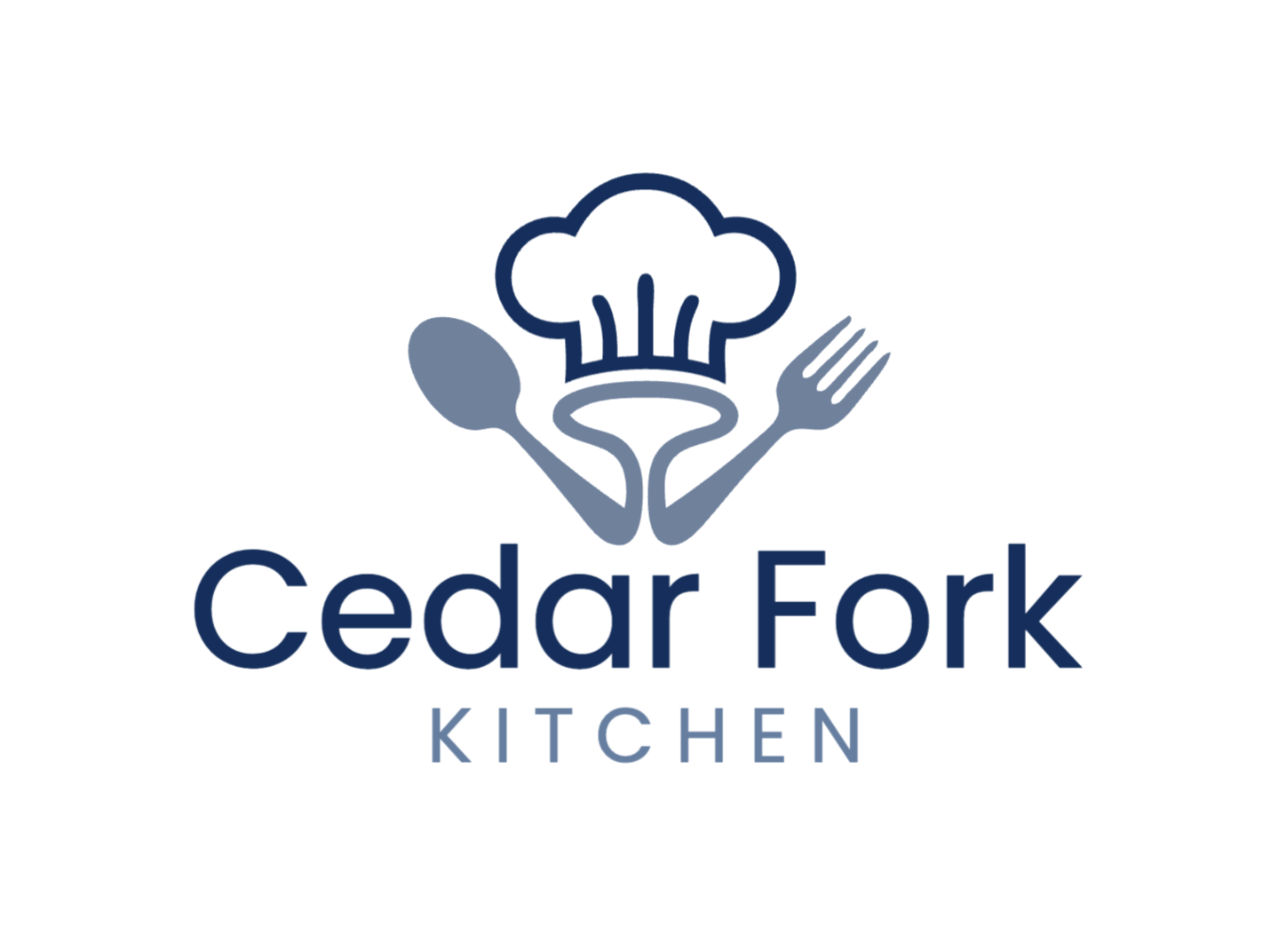
Chef Fork Culinary Logo Template
Shake Shack offers a recognizable real-world reference for a restaurant identity that keeps its visual language relatively simple.
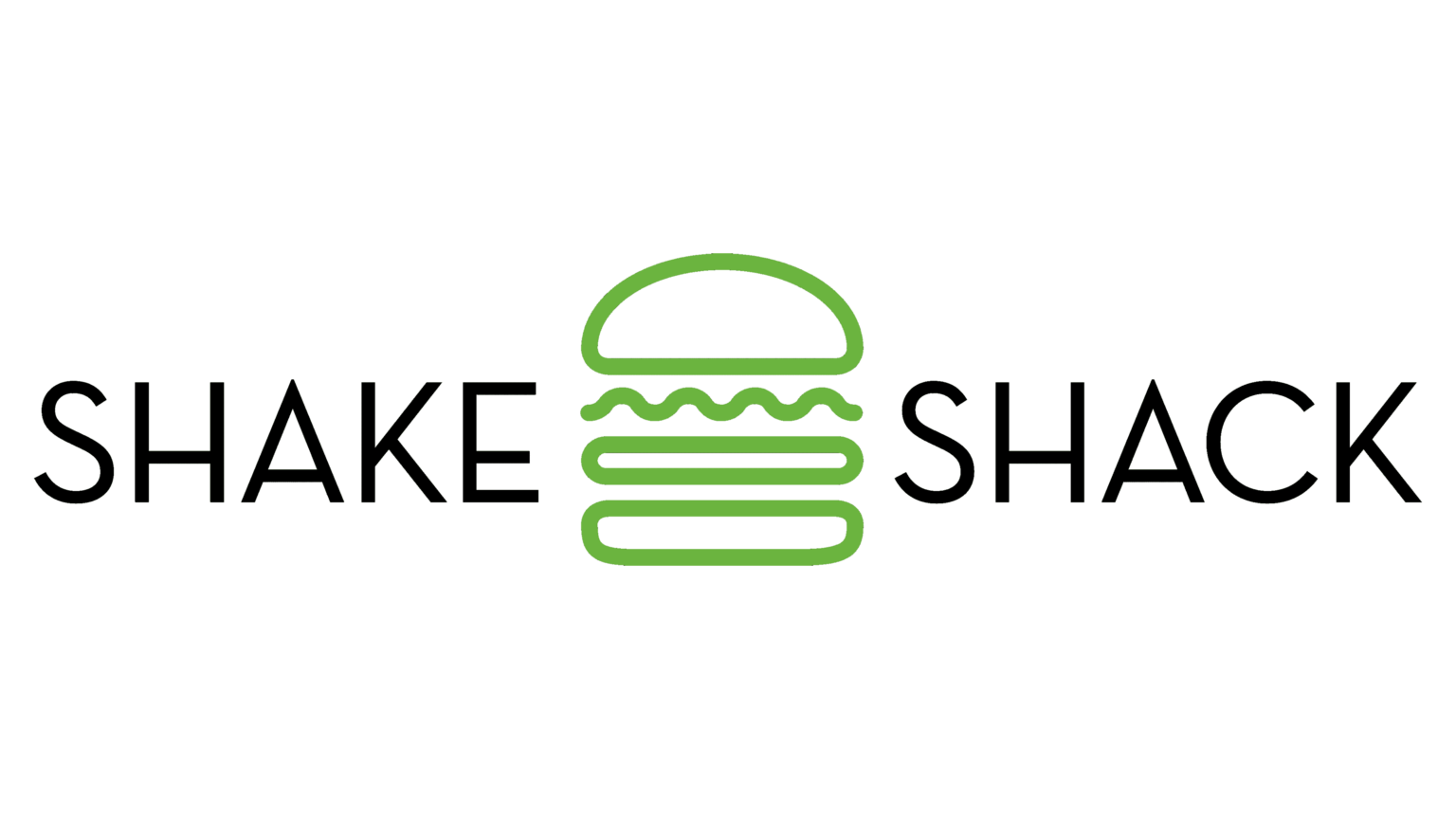
Shake Shack
The main advantage of this direction is versatility. A logo does not need a lot of detail to communicate what kind of business it represents.
2. Create an Elegant Look for a Fine-Dining Restaurant
Fine-dining branding tends to feel more restrained than playful.
Serif typography, monograms, subtle dining references, darker colors, and generous spacing can all contribute to a more sophisticated mood. Instead of trying to show everything a restaurant serves, the branding can focus on creating an impression of quality and refinement.
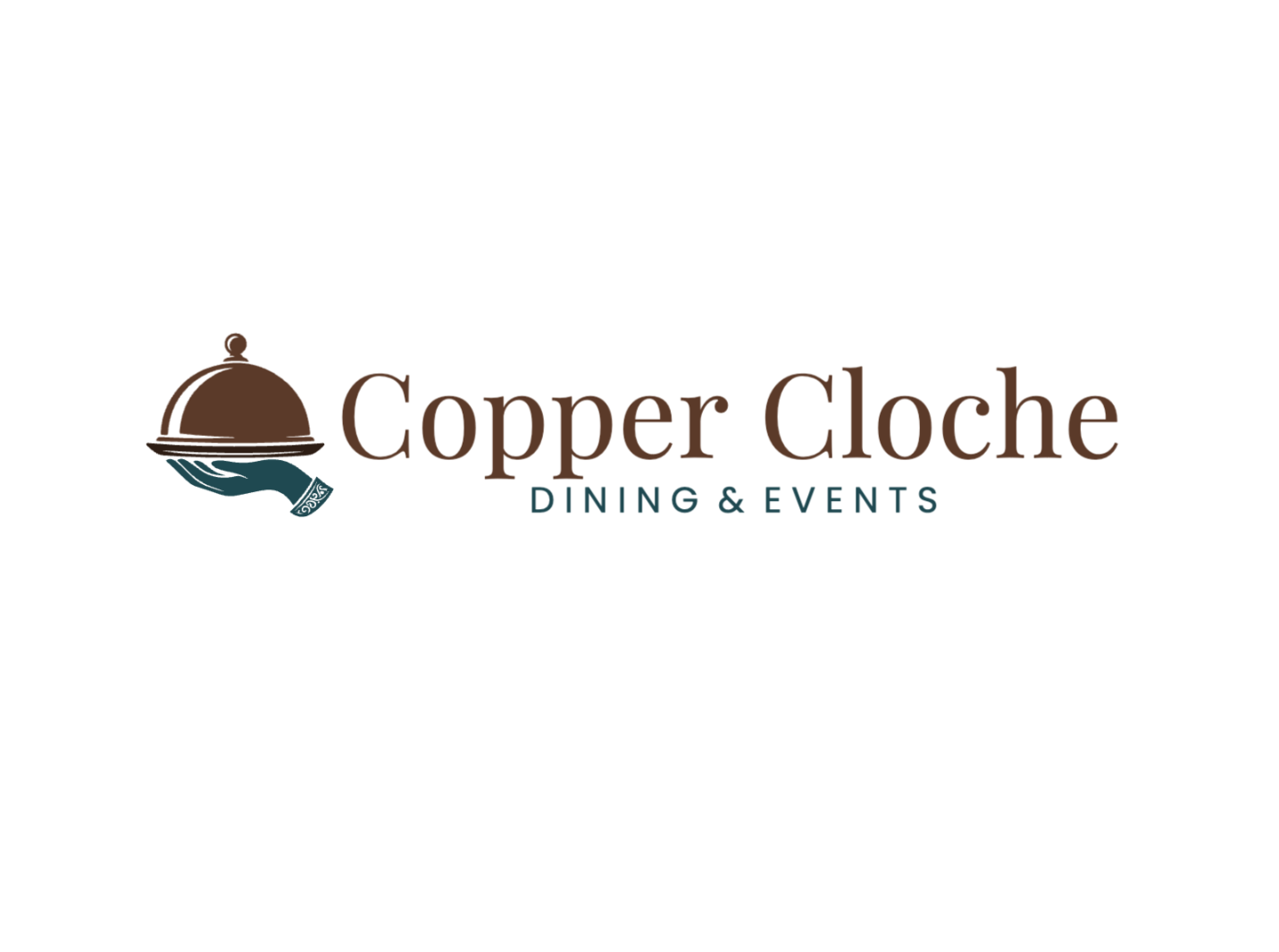
Hand Holding Pot Restaurant Logo Template
The French Laundry is a useful real-world reference for a more understated, classic fine-dining identity.

The French Laundry
This style suits fine dining, steakhouses, wine-focused restaurants, tasting-menu concepts, and other businesses where the overall experience is intended to feel more premium.
3. Give Your Cafe a Warm, Welcoming Personality
There is much more to cafe logo ideas than coffee cups and beans.
Cafes can feel cozy, botanical, rustic, playful, minimalist, or sophisticated depending on the audience and experience. Warm colors, softer shapes, handwritten lettering, and natural elements can create a relaxed atmosphere, while cleaner typography may suit a contemporary coffee shop.
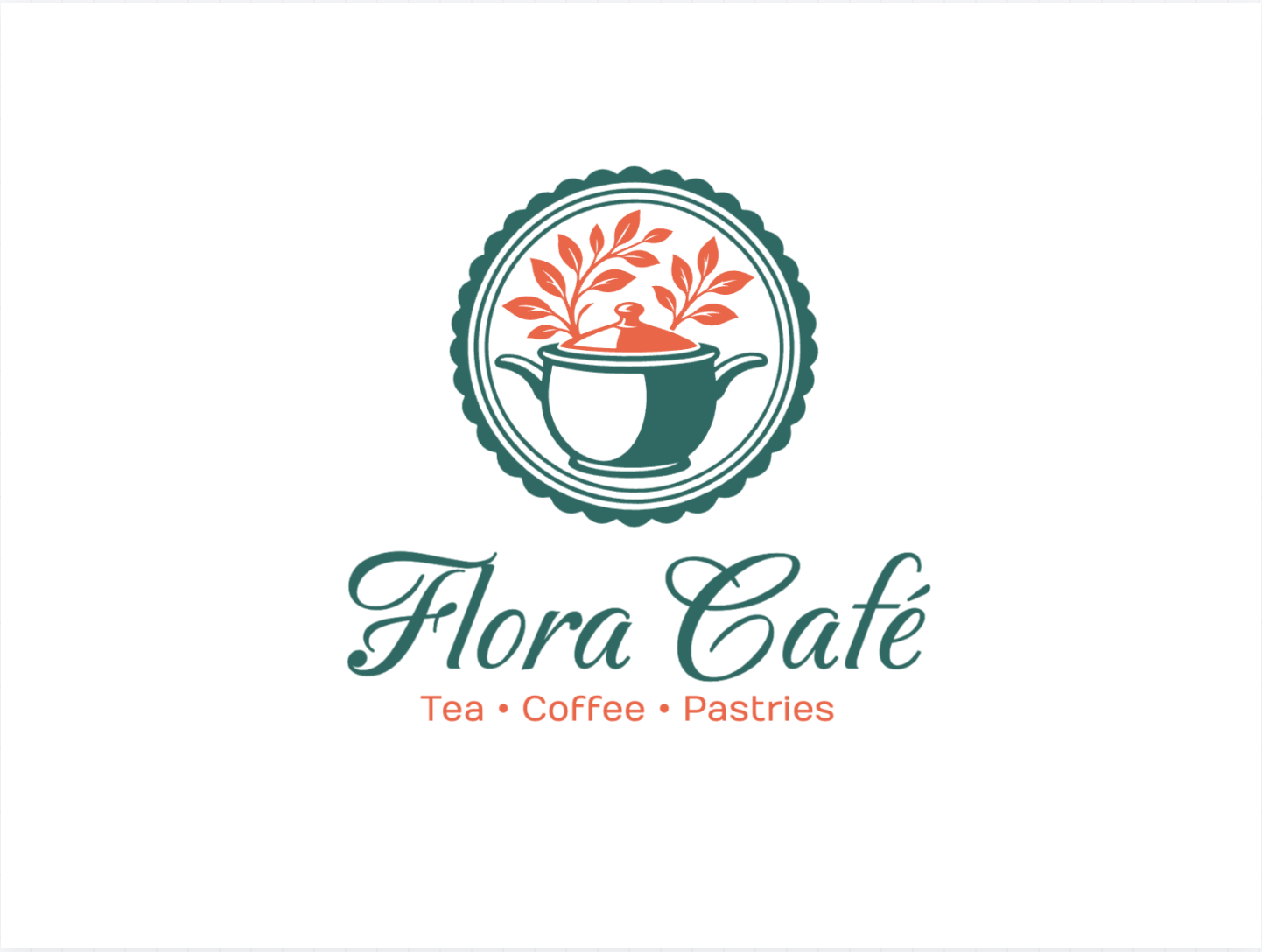
Eco Bowl Floral Restaurant Logo Template
Even well-known cafe brands take very different approaches. Starbucks, for example, has built its identity around a recognizable emblem rather than relying on obvious coffee imagery.

Starbucks
A cafe logo should ultimately reflect what spending time there feels like. A quiet neighborhood cafe may need something completely different from a busy urban coffee bar or a brunch-focused concept.
4. Make Pizza Logos Instantly Recognizable
Pizza branding can afford to be bold, playful, and energetic.
Pizza slices, ovens, flames, cheese, tomatoes, and circular shapes all offer obvious visual inspiration, but there is no need to use everything at once. A strong pizza logo can be immediately understandable while still having a distinct personality.
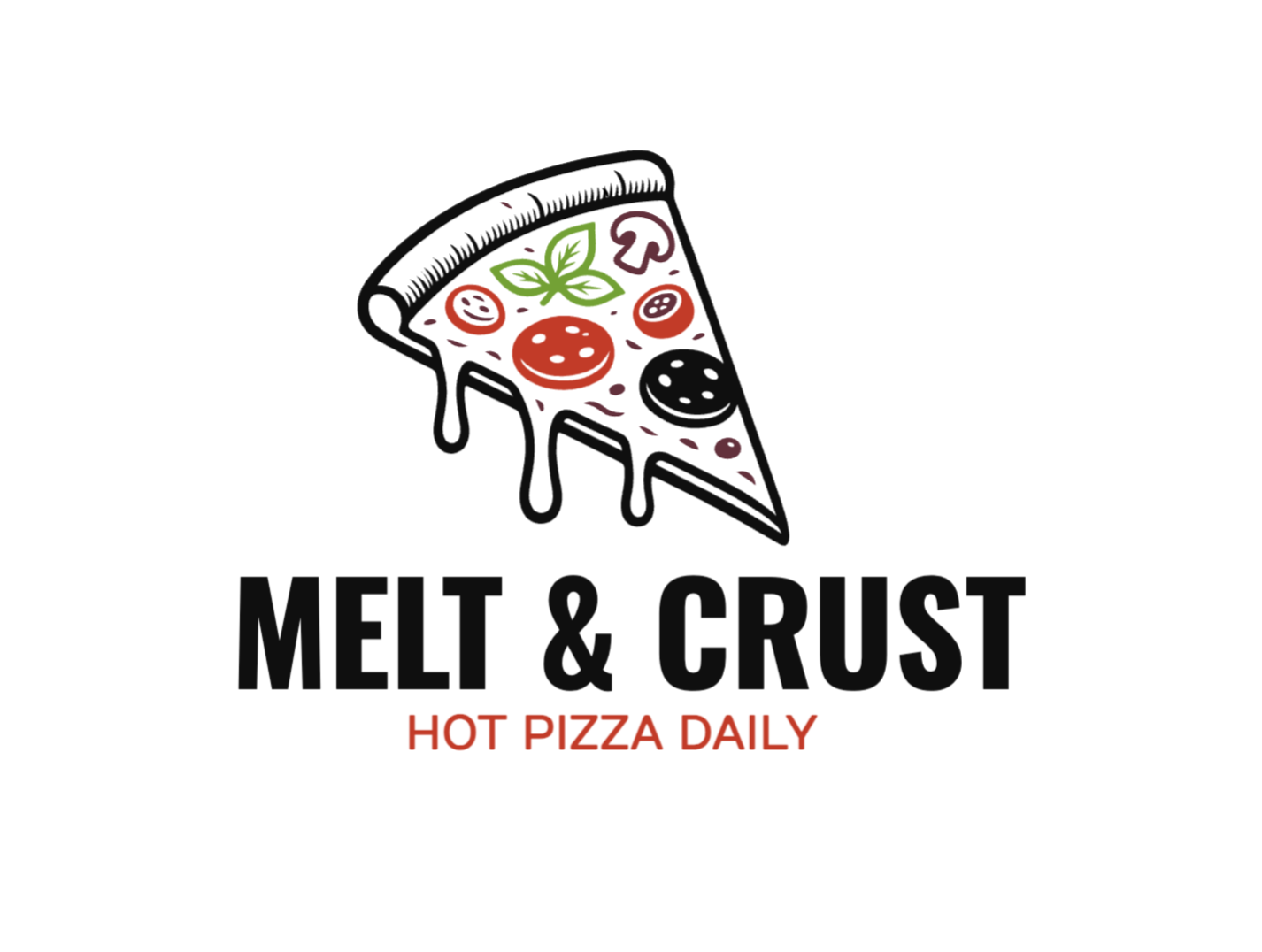
Pizza Restaurant Logo Template
Major pizza brands show how varied the category can be. Domino’s uses a highly simplified symbol, while Pizza Hut takes a more expressive route with its familiar roof-inspired branding.
Domino’s Pizza
Pizza Hut
For a neighborhood pizzeria, the right direction could be playful and illustrated, traditional and Italian-inspired, or clean and contemporary.
5. Give a Bakery Logo a Handmade Feel
Bakery branding often benefits from warmth.
Soft colors, handcrafted typography, pastry or bread imagery, botanical details, and traditional shapes can make a bakery feel personal and inviting. This is especially effective for artisan bakeries, pastry shops, cake businesses, and neighborhood cafes.
Croissant Kitchen Bakery Logo Template
Magnolia Bakery provides another recognizable reference for bakery branding with a warm, established personality.
Magnolia Bakery
Some bakery logos lean nostalgic and traditional, while others feel light and modern. The best direction depends on whether the business wants to evoke homemade comfort, European pastry culture, playful desserts, or something more contemporary.
6. Go Bold With a BBQ or Grill Logo
BBQ and grill restaurants can usually carry stronger visual branding than more delicate food concepts.
Fire, smoke, cattle, meat-inspired imagery, heavy typography, badges, and deep colors can all create a rugged and confident atmosphere. A bull grill logo, for example, can immediately suit a steakhouse, smokehouse, BBQ restaurant, or other meat-focused concept.
Classic Flame BBQ Fire Logo Template
LongHorn Steakhouse is another useful reference for a bold identity within the steakhouse and grill category.
LongHorn Steakhouse
This type of branding tends to work best when the restaurant itself has a similarly strong personality rather than a light or delicate dining atmosphere.
7. Match the Logo to Your Cuisine
Cuisine itself can be one of the richest sources of inspiration for a restaurant logo.
A Japanese restaurant might take cues from sushi, noodles, chopsticks, or minimal Japanese-inspired aesthetics. An Italian concept might explore pasta, herbs, Mediterranean colors, or classic lettering. A seafood restaurant could draw from waves, fish, shells, or coastal imagery.
Poke Restaurant Fish Bowl Logo Template
Some brands make the food category obvious, while others take a subtler approach. Red Lobster is a familiar example of a brand whose identity is closely tied to the type of food it serves.
Red Lobster
The important thing is to avoid cramming too many cultural or food references into one design. A few well-chosen elements can suggest the cuisine without making the logo feel like an illustrated menu.
8. Use a Mascot to Give Your Restaurant Character
Mascots can make a restaurant feel friendly, memorable, and full of personality.
This direction works particularly well for casual restaurants, fast-food brands, food trucks, family-oriented businesses, and brands that want to create a recognizable character customers can associate with them.
Chef Boy Restaurant Logo Template
There are plenty of familiar examples in the restaurant industry, including KFC, Wendy’s, and Jollibee, all of which use a recognizable character or person as part of the brand identity.
KFC

Wendy’s
Jollibee
Mascot styles can range from simple and modern to highly expressive and retro. The important thing is choosing a personality that matches the restaurant rather than adding a character simply because it looks fun.
9. Let Typography Become the Logo
Not every restaurant logo needs an icon.
For some businesses, the restaurant name itself is distinctive enough to become the entire visual identity. In that case, typography, spacing, weight, capitalization, and letter shapes become especially important.
Nobu is one well-known example of a restaurant identity where typography plays the central role. A more casual brand can take the same basic idea in a completely different direction, as Five Guys demonstrates.
Nobu
Five Guys
entirely on the typeface and treatment. This direction is particularly worth considering when the restaurant has a memorable name and does not need an illustration to explain what it is.
10. Highlight Freshness With Natural Elements
Restaurants centered around fresh ingredients, vegetables, organic food, or healthier dining often benefit from a more natural visual direction.
Leaves are an obvious choice, but there are plenty of alternatives: herbs, produce, fruit, seeds, branches, flowers, or subtle earth-inspired shapes can all help create the right atmosphere.
Organic Salad Spoon Logo Template
The overall feel matters more than simply making everything green. Freshness can also be communicated through light typography, uncluttered layouts, softer palettes, and plenty of visual space.
This direction suits salad restaurants, vegetarian businesses, farm-to-table concepts, juice bars, cafes, and food brands where ingredients are a major part of the story.
11. Try a Retro Restaurant Logo
Retro branding can instantly give a restaurant a sense of nostalgia.
Classic mascots, vintage typography, warm limited palettes, badges, founding-year details, and old-fashioned illustrations can all help create the feeling of a traditional diner or long-established food business.
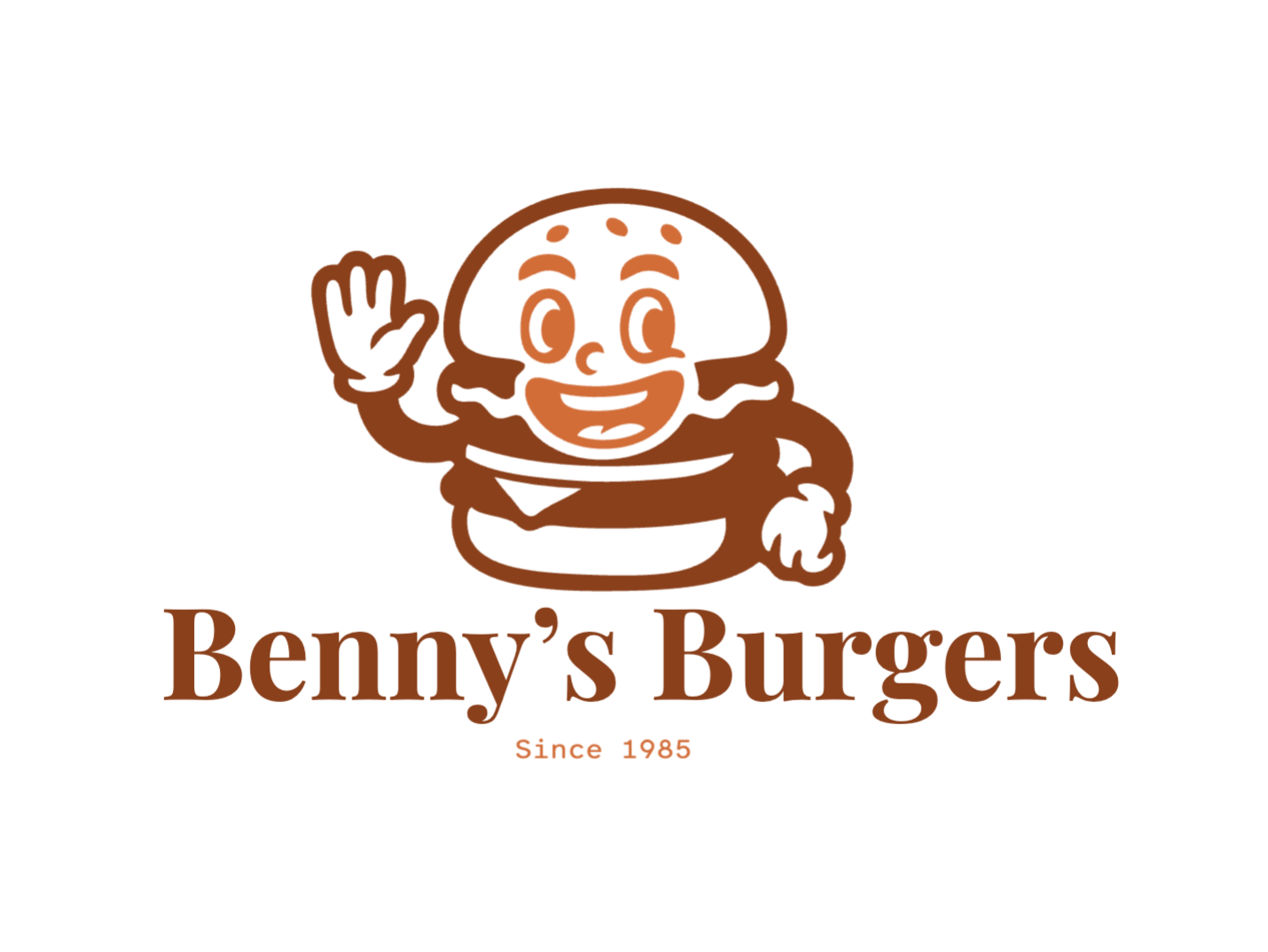
Burger Mascot Badge Logo Template
Johnny Rockets makes retro styling an important part of its restaurant identity, while In-N-Out Burger offers another recognizable example of a food brand with a strong nostalgic character.
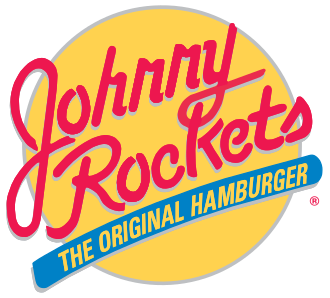
Johnny Rockets

In-N-Out Burger
Retro does not have to mean reproducing a specific decade exactly. Even one or two vintage-inspired details can give a modern restaurant a more established or nostalgic personality.
12. Design Around the Restaurant Experience
Sometimes the most useful inspiration has nothing to do with the food itself.
Think about what customers should imagine when they hear the restaurant name. A beachfront restaurant may want to evoke sun, palms, and ocean air. A rustic countryside restaurant may focus on nature and warmth. A rooftop bar might lean into nightlife and city imagery.
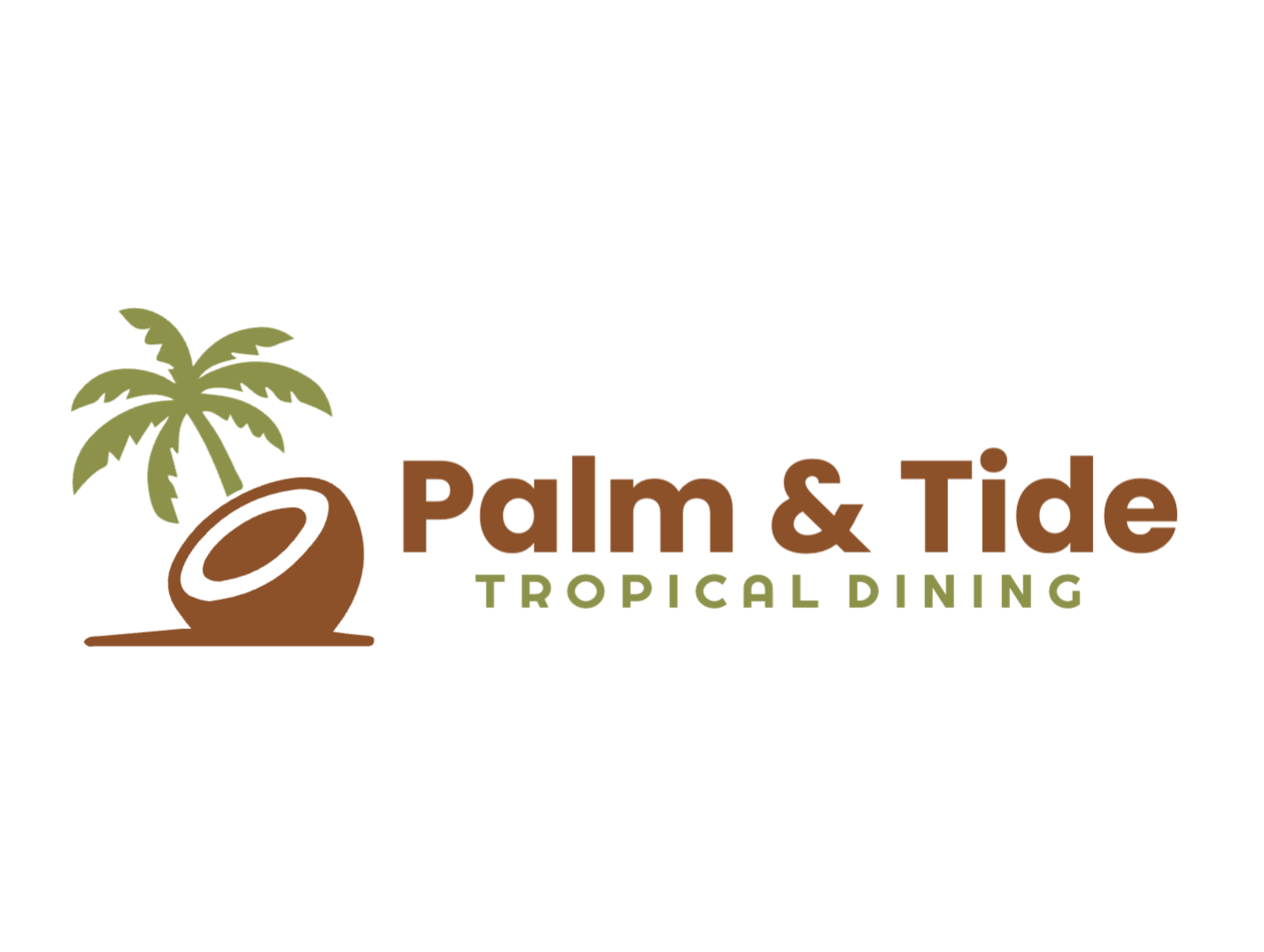
Coconut Beach Tropical Logo Template
Margaritaville is an obvious example of a restaurant brand where the broader tropical atmosphere is an important part of the identity.
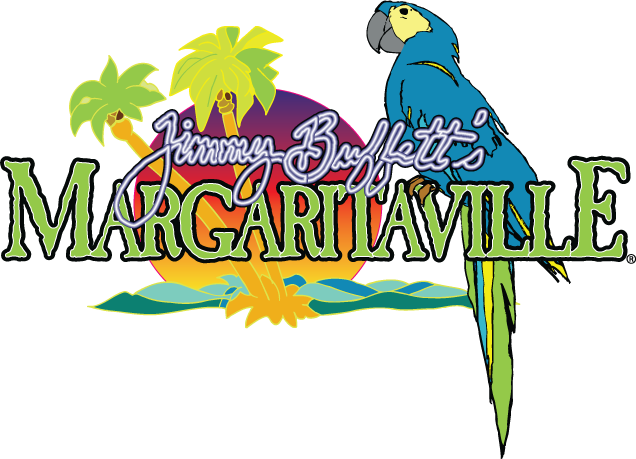
Margaritaville
This approach works particularly well when the setting or atmosphere is a major reason customers choose the restaurant. Instead of only asking what do we serve?, it can be more useful to ask what should people feel when they come here?
How to Choose a Restaurant Logo Style
Looking through different restaurant logo ideas can help you narrow down the direction, but there is no single style that works for every business.
Start with the personality of the restaurant. Is it casual or upscale? Traditional or contemporary? Quiet and intimate or energetic and social? Then consider how the cuisine, colors, typography, and imagery can support that personality.
It is also worth thinking about where the logo will appear. Restaurant branding needs to work across everything from storefront signs and menus to delivery apps, social media, packaging, uniforms, and business cards.
And while existing restaurant logos are useful sources of inspiration, they are best used to understand different design approaches rather than as designs to imitate.
Explore More Restaurant Logo Ideas
Whether you prefer a minimalist identity, an illustrated mascot, a vintage burger-shop style, or branding inspired by the restaurant atmosphere, there are many directions you can explore.
Browse restaurant logo templates on One Dollar Logo Maker to compare different symbols, fonts, colors, and layouts. You can also explore the wider collection of logo templates for inspiration beyond food and restaurant categories.
Once you find a direction that feels right, customize it around your restaurant name and brand personality rather than trying to follow one formula.